
Infrared Sauna Safety Guide • 2026
Clinical Hyperthermia
Infrared Sauna Blanket Side Effects: Risks, Safety & What to Know
•
Medical & Physiology Audit: Dr. Alex Mercer, CSCS
•
Updated October 2026
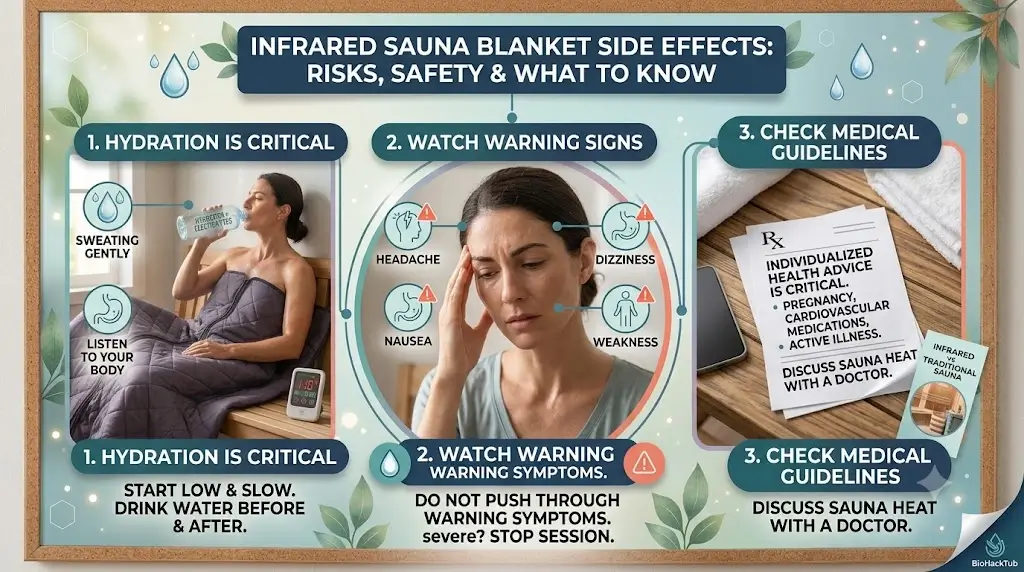
Infrared sauna blanket side effects are primarily related to heat exposure rather than the word “infrared” itself. Potential concerns include dehydration, overheating, dizziness, nausea, weakness and, depending on the device and circumstances, skin or heat injuries.
Infrared saunas use infrared energy to produce heat. Unlike a conventional sauna, the surrounding air does not have to reach the same temperature because infrared energy is intended to heat the body more directly. Mayo Clinic notes that infrared saunas generally operate at lower temperatures than traditional saunas, but lower air temperature does not eliminate heat-related risks.
The most important potential side effects of infrared sauna blankets are dehydration and overheating. Some people may also experience dizziness, headache, nausea, weakness or skin discomfort. People with certain medical conditions, people taking medications that affect heat tolerance, pregnant individuals and other higher-risk groups should seek appropriate medical advice before using sauna heat.
This article is educational information, not a diagnosis or personalized medical recommendation. A sauna blanket’s manufacturer instructions should never be treated as a substitute for medical advice.
Quick Reference Specification: Infrared Blanket Physiological Risks & Safety Thresholds
Clinical hyperthermia research identifies plasma volume depletion, core body temperature elevations, and orthostatic hypotension as the primary adverse outcomes of unmonitored thermal wrapping. The diagnostic risk matrix below summarizes the physiological mechanisms, symptom presentations, and immediate action thresholds across key side-effect categories:
| Adverse Reaction | Underlying Physiological Mechanism | Clinical Warning Signs | Immediate Remediation Protocol |
|---|---|---|---|
| Dehydration & Hypovolemia | Rapid perspiration shedding 0.5–1.0L water and sodium/potassium ions | Extreme thirst, dry mouth, dark urine, muscle cramping | Terminate session; consume 16–24 oz water with balanced electrolyte solution |
| Heat Strain & Overheating | Core body temperature exceeding normal baseline (>100.4°F / 38°C) | Flushed skin, rapid pulse, profuse sweating followed by cessation, confusion | Unzip blanket immediately; rest in cool, ventilated room; apply cold compress |
| Orthostatic Hypotension | Peripheral vasodilation pooling blood in extremities upon standing | Lightheadedness, dizziness, tunnel vision, feeling faint | Remain seated or supine for 5–10 minutes; rise slowly with physical support |
| Thermal Erythema / Burns | Direct skin contact with unbuffered polyurethane surfaces (>140°F / 60°C) | Persistent localized redness, stinging, blistering, tenderness | Always wear cotton clothing/towel barriers; seek medical care if blistering occurs |
Are Infrared Sauna Blankets Safe?
Clinical evidence demonstrates that infrared sauna blankets remain generally well tolerated by healthy adults when users adhere to conservative exposure limits. However, “generally safe” does not mean risk-free.
Mayo Clinic describes infrared saunas as a form of sauna that uses light to produce heat and notes that they operate at lower temperatures than conventional saunas. Research into potential health benefits is still developing, and larger, more precise studies are needed for many proposed uses.
Cleveland Clinic identifies dehydration as one of the principal risks of sauna use and advises leaving the sauna if a person becomes dizzy, weak, uncomfortable or has difficulty breathing.
Infrared sauna blankets are heat-producing devices. Lower operating temperatures than traditional saunas do not mean that unlimited heat exposure is appropriate.
Main Infrared Sauna Blanket Side Effects
Adverse physiological reactions divide into hypovolemic fluid losses, autonomic cardiovascular adjustments, and direct cutaneous thermal stress. The potential side effects can be grouped into distinct clinical categories:
| Category | Potential issue | Why it matters |
|---|---|---|
| Fluid loss | Dehydration | Sweating reduces body fluid levels. |
| Heat stress | Overheating | The body must continuously regulate its temperature. |
| Circulatory response | Dizziness or weakness | Heat changes circulation and can contribute to lightheadedness. |
| Gastrointestinal response | Nausea | Heat stress can make some people feel sick. |
| Skin exposure | Irritation or heat injury | Prolonged contact with a heat source can injure skin. |
1. Dehydration
Sweat-induced fluid loss reduces plasma volume and depletes essential intracellular electrolytes during thirty-minute wraps. Sweating is part of the body’s temperature-regulation system. When sweat loss becomes substantial, body fluid levels can fall.
Cleveland Clinic identifies thirst, headaches, muscle cramps and confusion among symptoms associated with dehydration and recommends maintaining hydration around sauna exposure.
This is particularly relevant when someone treats heavy sweating as evidence that a session was more effective.
Sweat volume is not a reliable measure of fat loss, detoxification or recovery. It primarily indicates that the body is losing fluid while attempting to manage heat.
2. Overheating
Excessive external thermal loads overwhelm physiological evaporative cooling mechanisms to cause hyperthermia. The body must maintain its internal temperature within a relatively narrow physiological range.
A sauna blanket adds external heat while the body is also generating its own metabolic heat. If heat exposure exceeds the body’s ability to dissipate heat, overheating can occur.
This risk is influenced by factors such as:
- Ambient temperature
- Duration of heat exposure
- Hydration
- Individual heat tolerance
- Recent physical activity
- Illness
- Medications
- Underlying medical conditions
The practical lesson is simple: the maximum setting advertised by a device is a hardware characteristic, not a personalized medical recommendation. To ensure your controller is calibrated safely, review our technical sauna blanket temperature guide.
3. Dizziness and Lightheadedness
Cutaneous vasodilation causes transient arterial blood pressure drops that precipitate cerebral hypoperfusion and dizziness. Dizziness during or after sauna exposure should not be interpreted as proof that the heat is “working.” It can be a warning sign that the body is struggling with the heat or fluid loss.
Cleveland Clinic specifically advises leaving the sauna if dizziness, weakness, discomfort or breathing difficulty develops.
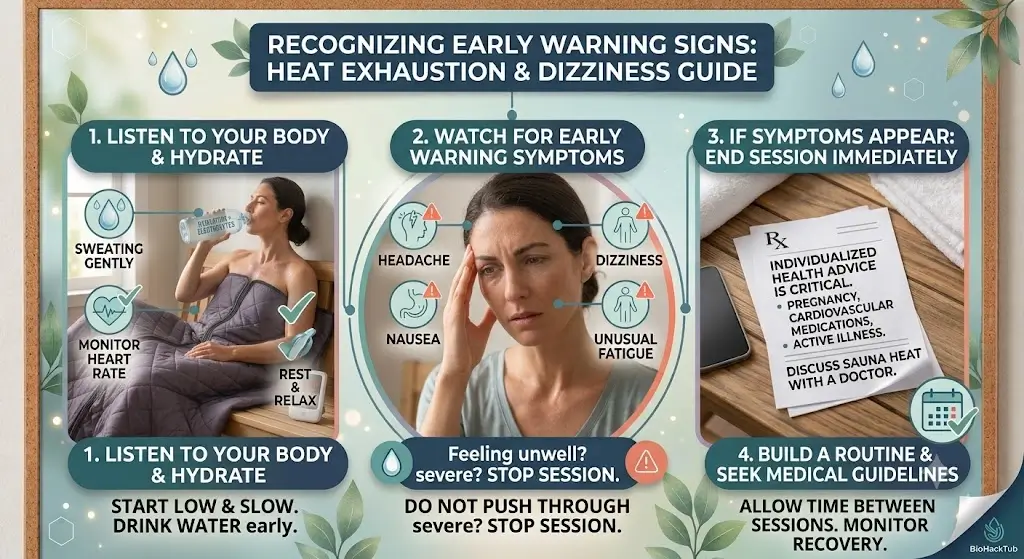
Feeling faint or unusually weak is a reason to stop heat exposure and move to a safer, cooler environment. Severe or persistent symptoms require medical attention.
4. Headache
Intracranial vascular expansion paired with electrolyte dilution triggers post-sauna tension headaches. Headache can occur with dehydration or excessive heat exposure. A headache following sauna use should therefore not automatically be interpreted as a normal “detox reaction.”
Cleveland Clinic lists headache among symptoms associated with dehydration during sauna use.
Repeated headaches associated with heat exposure are a reason to reassess the situation and discuss the symptoms with a healthcare professional when appropriate.
5. Nausea and Weakness
Splanchnic blood flow shunting to the peripheral skin surface impairs gastrointestinal perfusion and provokes acute nausea. Nausea, unusual weakness or feeling unwell can indicate that the body is not tolerating the heat exposure well.
These symptoms are particularly important when combined with dizziness, headache, excessive thirst or confusion. The correct response to a warning symptom is not to increase heat exposure in an attempt to “build tolerance.”
6. Skin Irritation and Heat Injury
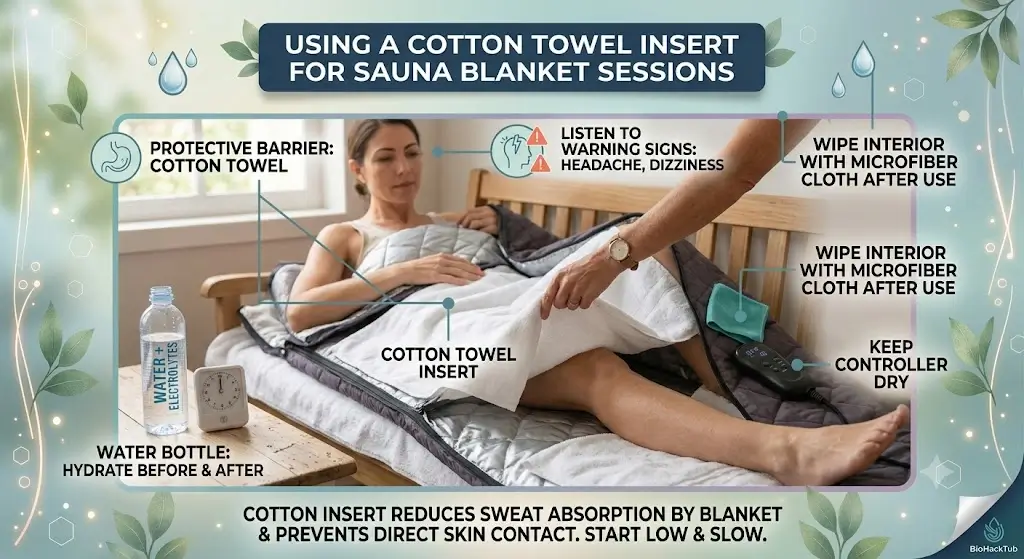
Direct dermal contact with synthetic polyurethane shells provokes friction dermatitis and localized erythema. An infrared sauna blanket places a heat-producing surface around the body. Skin that remains exposed to prolonged heat can become uncomfortable or irritated.
People with reduced sensation may be less able to recognize excessive heat before an injury develops. This makes individual risk assessment particularly important for people with conditions affecting sensation or circulation.
Any unexplained persistent skin redness, pain, blistering or other skin injury after heat exposure deserves appropriate medical evaluation.
7. Burns and Prolonged Heat Exposure
Compressed heating wire coils generate localized hot spots that can induce superficial or partial-thickness thermal burns. A sauna blanket is not normally thought of as a conventional burn hazard, but heat-producing devices can cause thermal injury when the skin receives excessive or prolonged heat.
Mayo Clinic explains that burns can result from heat and that severity varies from superficial injury to deep tissue damage. Serious burns may require urgent medical treatment.
Mayo Clinic advises emergency evaluation for burns that are deep, charred, leathery, extensive, rapidly swelling, or involving important areas such as the face, hands, feet, genitals or major joints.
Heat Exposure and Cardiovascular Conditions
Elevated cardiac output and increased heart rates impose significant myocardial oxygen demand during hyperthermic wrapping. Sauna heat changes cardiovascular demand. Heart rate can rise and blood vessels respond to heat.
For many healthy adults, this physiological response is tolerated. It is different for someone with an underlying cardiovascular condition.
Cleveland Clinic advises people with certain heart conditions, recent heart attack or stroke, and blood-pressure problems to obtain medical guidance before sauna use. This is one reason a generic internet recommendation cannot replace individualized medical assessment.
Medications and Infrared Sauna Blanket Side Effects
Prescription diuretics, beta-blockers, and anticholinergics impair autonomic thermoregulation and exacerbate hypovolemic risks. Some medications can influence blood pressure, sweating, hydration or the body’s response to heat. That means the same sauna exposure may not affect every person in the same way.
Cleveland Clinic specifically recommends discussing sauna use with a healthcare provider if you take medication.
Do not stop, change or skip prescribed medication because of sauna use. Ask the prescribing clinician or pharmacist whether your medication changes your heat-related risk.
Pregnancy and Sauna Heat
Maternal hyperthermia during gestation increases fetal teratogenic risks and precipitates severe maternal dehydration. Pregnancy changes how the body responds to heat and dehydration. Because of potential risks from elevated body temperature, pregnant individuals should not treat infrared sauna use as a routine wellness activity without medical guidance.
Cleveland Clinic specifically recommends avoiding infrared sauna use during pregnancy and discussing relevant circumstances with a healthcare professional.
Using an Infrared Sauna Blanket While Sick
Exogenous heat exposure during active systemic infection compounds febrile core temperature elevations and accelerates fluid deficits. Illness can already affect hydration, body temperature and energy levels. Adding intentional heat exposure while sick may create an unnecessary additional stressor.
Cleveland Clinic recommends waiting until you feel better before sauna use. A sauna should therefore not be treated as a substitute for rest, hydration, diagnosis or appropriate treatment.
Does an Infrared Sauna Blanket Detox Your Body?
Human liver and kidney filtration systems metabolize endogenous toxins while eccrine sweat glands discharge ninety-nine percent water. The word “detox” is heavily used in sauna marketing, but it needs careful qualification. Sweating does remove water and contains small amounts of various substances, but that does not establish that increasing sweat production meaningfully detoxifies the body.
Cleveland Clinic describes sauna detoxification claims as an area where research remains limited. Mayo Clinic similarly emphasizes that more research is needed to establish many proposed infrared-sauna health benefits.
A sauna blanket should not be marketed as a replacement for the body’s normal organs and physiological systems responsible for processing and eliminating waste.
Does an Infrared Sauna Blanket Burn Fat?
Acute post-session scale weight drops represent transient fluid shedding rather than sustained adipose lipid oxidation. Sweating can cause a temporary reduction in body weight because water leaves the body. That is different from losing body fat.
Cleveland Clinic explicitly states that sauna use is not recommended as a weight-loss strategy and explains that the short-term decrease on the scale represents water loss rather than sustained fat loss. Once fluids are replaced, that temporary weight change is expected to disappear.
A larger amount of sweat does not mean a larger amount of body fat has been burned.
When Should You Stop and Seek Medical Help?
Severe neurological confusion, syncope, dyspnea, and blistering skin injuries demand immediate emergency medical intervention. Certain symptoms should never be treated as an expected part of sauna use:
- Fainting or loss of consciousness
- Confusion
- Difficulty breathing
- Severe weakness
- Persistent or severe dizziness
- Severe nausea
- Signs of significant dehydration
- Serious or extensive burns
- Rapidly worsening symptoms
Cleveland Clinic advises leaving the sauna if you feel dizzy, weak, uncomfortable or have difficulty breathing. Mayo Clinic advises emergency care for serious burns and other severe symptoms.
Confusion, fainting, breathing difficulty or serious injury should be treated as medical problems rather than signs that the heat is producing a stronger benefit.
Infrared Sauna Blanket Product Safety
Hardware safety cutoffs, certified electrical insulation, and intact controller wiring protect users against electrical shock and thermal runaway. Side effects are not determined only by the infrared technology. Product design and condition can also matter. For any heat-producing consumer device, relevant safety considerations include:
- Electrical condition
- Controller operation
- Heating-element condition
- Material condition
- Automatic shutoff features
- Manufacturer safety instructions
- Proper storage
- Signs of overheating or product damage
A damaged electrical or heating product should not be treated as safe simply because it previously worked normally. Product-specific instructions should always take priority over generalized online recommendations. To review safe session timing benchmarks, check our guide on how long to use an infrared sauna blanket.
Infrared Sauna Blankets on Amazon: What Buyers Should Verify
Marketplace technical audits require checking certified ETL/UL electrical ratings and published milligauss readings rather than promotional text. When evaluating an Amazon listing for an infrared sauna blanket, readers should verify the exact model, manufacturer documentation, electrical specifications, safety information and current listing details.
Listings can change, sellers can change and product versions can differ even when similar names are used. For certified and tested models, refer to our dedicated overview of the Best Low-EMF Infrared Sauna Blankets.
Infrared Sauna Blanket Side Effects vs. Expected Heat Responses
Distinguishing normal thermoregulatory cutaneous flushing from clinical heat stress symptoms ensures user safety during thermal wrapping. Review the response categorization below:
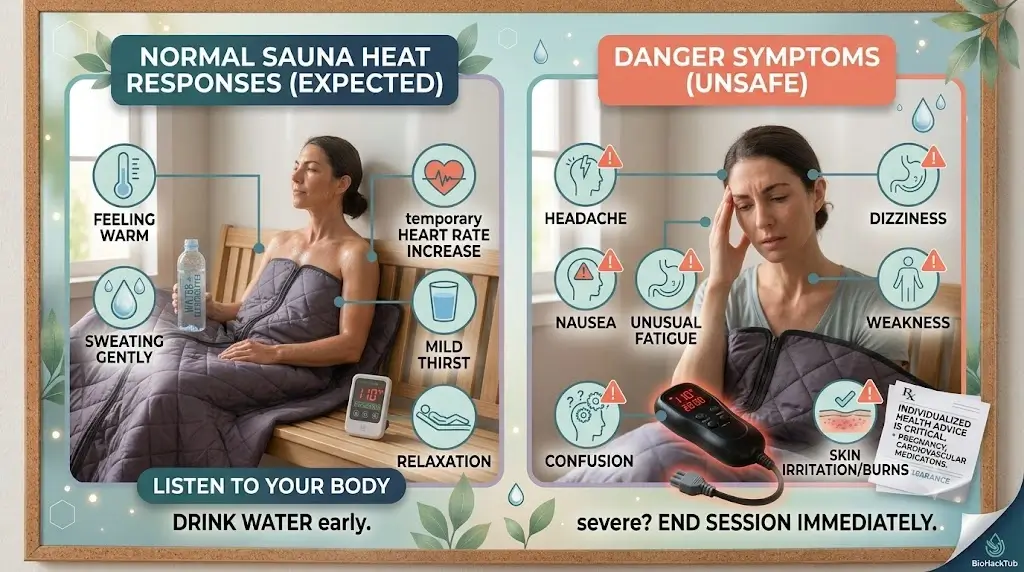
| Response | How to interpret it |
|---|---|
| Feeling warm | Expected from a heat-producing device. |
| Sweating | Normal thermoregulatory response, not proof of detoxification. |
| Temporary increase in heart rate | Can occur during heat exposure. |
| Thirst | Can indicate fluid loss. |
| Dizziness | Warning sign; do not push through it. |
| Confusion | Potentially serious symptom requiring medical attention. |
| Fainting | Medical warning sign, not a normal sauna response. |
| Blistering or significant skin injury | Potential thermal injury requiring evaluation. |
To maintain safe exposure intervals across your weekly schedule, see our analysis on can you use an infrared sauna blanket every day.
Infrared Sauna Blanket Side Effects FAQ
Direct clinical responses resolve common questions regarding dizziness, burn hazards, medication interactions, and medical clearance. Key guidance is detailed below:
What are the most common infrared sauna blanket side effects?
The primary concerns are heat-related: dehydration, overheating, dizziness, headache, weakness and nausea. Skin discomfort or heat injury can also occur with excessive or prolonged heat exposure.
Can infrared sauna blankets dehydrate you?
Yes. Sauna heat causes sweating, and sweating reduces body fluid levels. Dehydration is one of the principal risks identified by Cleveland Clinic.
Can an infrared sauna blanket make you dizzy?
Yes. Dizziness can occur with heat exposure or dehydration. It should be treated as a warning sign rather than something to ignore.
Can infrared sauna blankets cause headaches?
They can. Headache may occur in association with dehydration or excessive heat exposure.
Can an infrared sauna blanket cause burns?
Heat-producing devices can cause thermal injury if skin is exposed to excessive or prolonged heat. Persistent pain, blistering or significant skin injury should be medically evaluated.
Are infrared sauna blankets dangerous?
They are not inherently dangerous for every healthy adult, but they are not risk-free. Heat exposure can cause dehydration and overheating, and some people have medical reasons to avoid or seek guidance before sauna use.
Are infrared sauna blankets safe for teenagers?
Teenagers should not independently establish a sauna routine based on internet advice. Because heat tolerance and medical circumstances vary, a parent or guardian and an appropriate healthcare professional should be involved in decisions about heat exposure.
Can I use an infrared sauna blanket when I am sick?
Cleveland Clinic advises waiting until you feel better before sauna use. Illness can affect hydration and temperature regulation.
Can I use an infrared sauna blanket if I take medication?
Medication can change how the body responds to heat, blood-pressure changes or fluid loss. Cleveland Clinic recommends discussing sauna use with a healthcare provider when taking medication.
Are infrared sauna blanket detox claims proven?
Strong detoxification claims are not well established. Cleveland Clinic describes the evidence for sweating out toxins as limited and still developing.
Do infrared sauna blankets cause fat loss?
A sauna session can temporarily reduce body weight through fluid loss, but that is not equivalent to losing body fat. Cleveland Clinic does not recommend sauna use as a weight-loss strategy.
When should I seek medical help after sauna exposure?
Serious symptoms such as fainting, confusion, difficulty breathing or significant burns require prompt medical evaluation. Severe or rapidly worsening symptoms should not be attributed to a normal sauna response.
Bottom Line
Understanding individual physiological heat limits prevents acute dehydration and orthostatic dizziness during home sauna sessions. Infrared sauna blanket side effects are primarily heat-related. The most important concerns are dehydration and overheating, followed by symptoms such as dizziness, headache, nausea and weakness. Prolonged or excessive heat exposure can also create a risk of skin injury.
Infrared saunas may operate at lower temperatures than traditional saunas, but that does not make unrestricted exposure appropriate for everyone. Mayo Clinic notes that research into infrared sauna benefits is still developing, while Cleveland Clinic emphasizes hydration and paying attention to warning symptoms.
The strongest evidence-based takeaway is therefore not “more heat is better.” It is that sauna exposure should be considered in the context of individual health, hydration, medications, age and heat tolerance.
